India has a rich history of landmark cases that have brought about significant changes in the country’s legal system. These cases have set precedents, established new legal principles, and strengthened the rule of law in India. In this blog post, we will discuss some of the most important and influential cases that have shaped India’s legal system.
Kesavananda Bharati v. State of Kerala (1973)
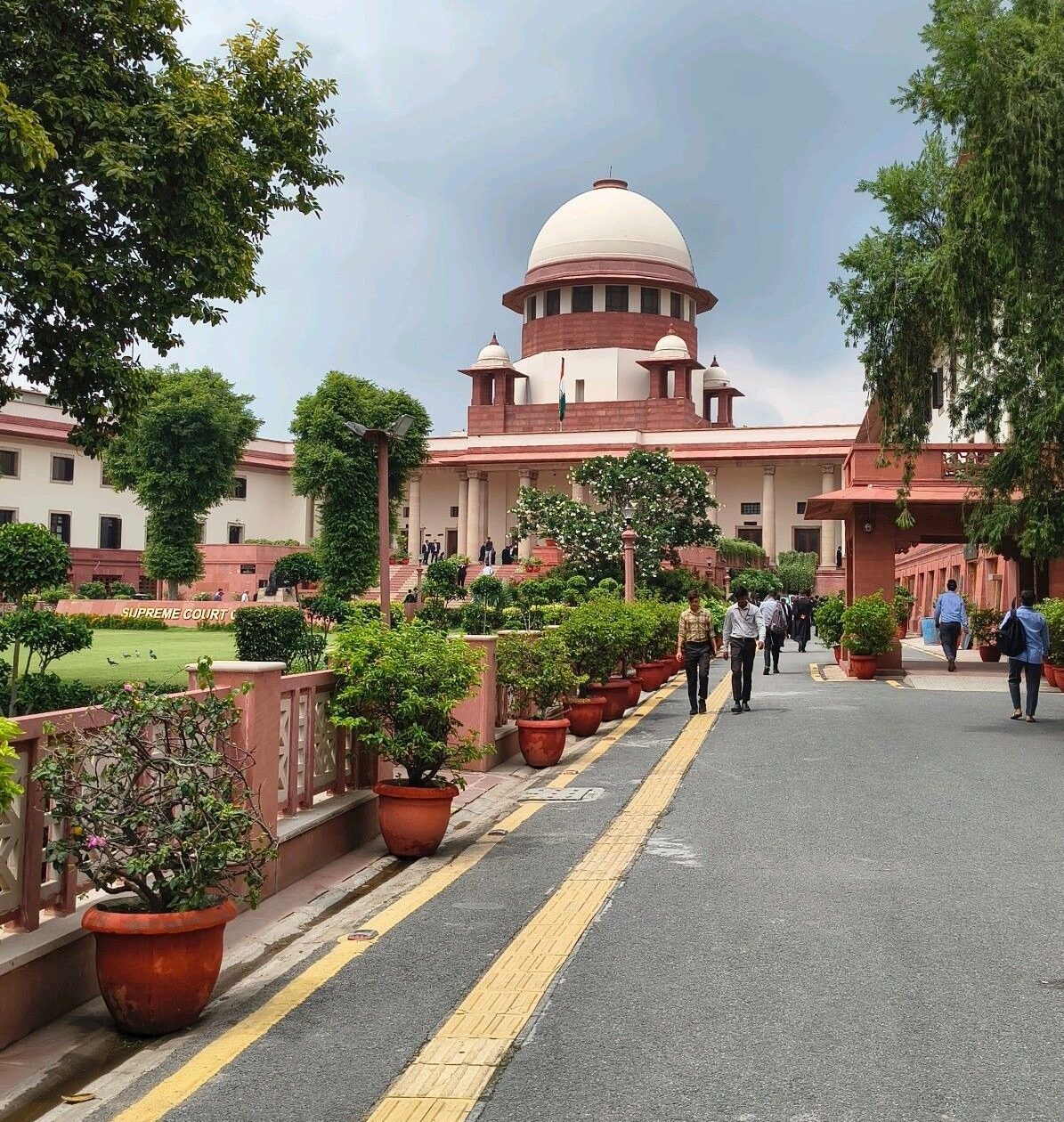
The Kesavananda Bharati case is one of the most significant cases in Indian legal history. In this case, the Supreme Court of India declared that the Constitution of India had a “basic structure” that could not be altered by Parliament. This ruling limited the power of Parliament to amend the Constitution and protected the fundamental rights of Indian citizens. The case also strengthened the principle of judicial review and established the supremacy of the Constitution.
Maneka Gandhi v. Union of India (1978)
The Maneka Gandhi case is another landmark case that had a significant impact on Indian law. In this case, the Supreme Court held that the right to travel abroad was a fundamental right under Article 21 of the Constitution, which guarantees the right to life and personal liberty. This case expanded the scope of fundamental rights and emphasized the importance of due process and natural justice.
Vishaka v. State of Rajasthan (1997)
The Vishaka case was a landmark case that dealt with the issue of sexual harassment of women in the workplace. The Supreme Court of India held that sexual harassment of women at the workplace was a violation of their fundamental right to equality under Article 14 of the Constitution. The Court also laid down guidelines for preventing and redressing sexual harassment in the workplace, which were later incorporated into the Sexual Harassment of Women at Workplace (Prevention, Prohibition, and Redressal) Act, 2013.
Olga Tellis v. Bombay Municipal Corporation (1985)
The Olga Tellis case is another important case that dealt with the right to livelihood. In this case, the Supreme Court of India held that the right to livelihood was a fundamental right under Article 21 of the Constitution. The Court also struck down a law that allowed the government to evict pavement dwellers in Mumbai, stating that the government could not deprive people of their right to livelihood without providing them with alternative arrangements.
Mohd. Ahmed Khan v. Shah Bano Begum (1985)
The Mohd. Ahmed Khan case dealt with the issue of maintenance for divorced Muslim women. The Supreme Court of India held that Muslim women were entitled to maintenance under Section 125 of the Code of Criminal Procedure, which applies to all religions. This ruling was controversial and led to the passing of the Muslim Women (Protection of Rights on Divorce) Act, 1986, which restricted the rights of Muslim women to claim maintenance after divorce.
S. R. Bommai v. Union of India (1994)
The S. R. Bommai case is another landmark case that dealt with the issue of the dismissal of state governments. The Supreme Court of India held that the dismissal of state governments by the central government was unconstitutional unless it was done in accordance with the provisions of the Constitution. This ruling strengthened the federal structure of the Indian Constitution and limited the power of the central government to dismiss state governments.
ADM Jabalpur v. Shivkant Shukla (1976)
The ADM Jabalpur case, also known as the Habeas Corpus case, is a controversial case that dealt with the issue of emergency powers. In this case, the Supreme Court of India held that during a state of emergency, the government could suspend the right to life and liberty guaranteed under Article 21 of the Constitution. This ruling was widely criticized and later overturned by the Supreme Court
Indian Young Lawyers Association v. State of Kerala (2018)
The Indian Young Lawyers Association case is a landmark case that dealt with the issue of the Sabarimala temple entry for women. The Supreme Court of India held that the exclusion of women from the Sabarimala temple was a violation of their fundamental rights and unconstitutional. This ruling opened the doors of the temple to women of all ages and challenged patriarchal attitudes and discrimination against women.
Golaknath v. State of Punjab (1967)
The Golaknath case is another important case that dealt with the issue of the power of the Parliament to amend the Constitution. In this case, the Supreme Court of India held that the Parliament could not amend the fundamental rights of the Constitution. This ruling strengthened the principle of judicial review and limited the power of Parliament to amend the Constitution.
M.C. Mehta v. Union of India (1986)
The M.C. Mehta case is a landmark case that dealt with the issue of environmental protection. In this case, the Supreme Court of India held that the right to a clean environment was a fundamental right under Article 21 of the Constitution. The Court also ordered the closure of polluting industries in Delhi and directed the government to take measures to protect the environment. This ruling paved the way for several environmental laws and regulations in India and highlighted the importance of environmental protection.
Conclusion
These landmark cases have played a crucial role in shaping India’s legal system and upholding the principles of democracy, equality, and justice. These cases have established new legal precedents, expanded the scope of fundamental rights, and challenged discriminatory practices and attitudes. They serve as a reminder of the power of the Indian judiciary to protect the rights of citizens and uphold the rule of law.